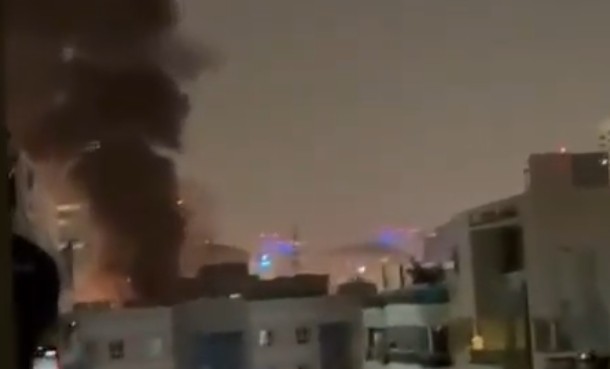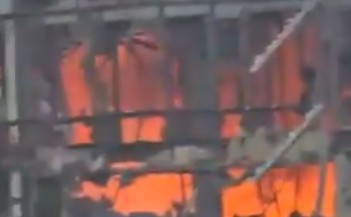
Iran Israel War is getting intense now. As tensions rise between Iran and Israel, the situation is no longer just about the two countries. Behind the scenes, two major global powers, China and Russia, are quietly strengthening Iran’s position.
From intelligence sharing and defence systems to economic support, both countries are playing a role in helping Tehran manage growing pressure from the West and its regional rivals. Their support could shape how the current tensions evolve in the coming months.
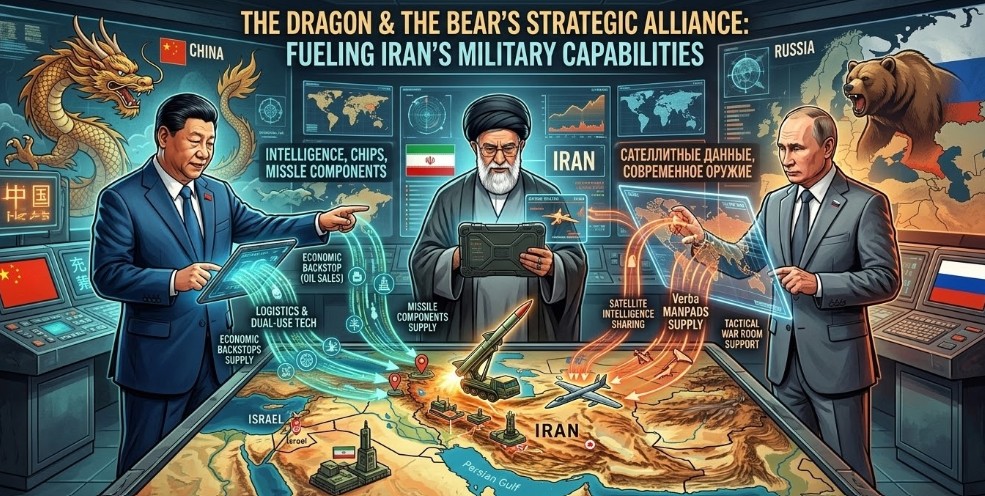
Here’s a simple look at how the “Dragon” (China) and the “Bear” (Russia) are backing Iran.
Russia: Intelligence and Air Defence Support
Russia’s support mainly revolves around military technology and intelligence.
According to reports, Moscow has been sharing satellite intelligence with Iran. This information may help Tehran track the movement of American and Israeli forces in the region. For example, satellite data can help monitor naval activity in the Persian Gulf or detect activity around Israeli military bases.
Such information could improve Iran’s ability to plan its defence and respond more accurately if tensions escalate.
Another key development is Iran’s reported deal with Russia for the Verba anti-aircraft system, valued at around €495 million. These portable missile systems are designed to target low-flying aircraft, drones, and helicopters.
This is important because drones and helicopters are often used in precision military operations. With systems like Verba, Iran could strengthen its short-range air defence and make such operations more difficult.
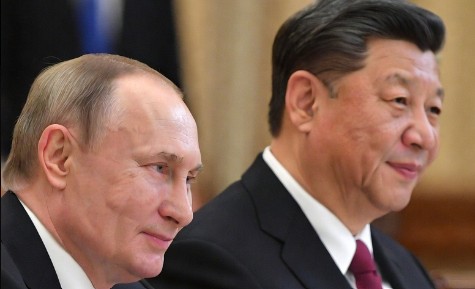
China: Economic Lifeline and Missile Technology
China’s role is slightly different. Instead of direct military involvement, Beijing’s support is largely economic and technological.
China remains the biggest buyer of Iranian oil. Even under heavy international sanctions, this trade helps Iran earn billions of dollars and keeps its economy running. Without this steady demand for oil, Tehran would face far greater economic pressure.
There are also reports that Iran is close to finalising a deal with China for CM-302 anti-ship missiles. These missiles travel at supersonic speed and are designed to hit large naval targets.
If Iran deploys such weapons, they could pose a serious challenge to warships operating near the Strait of Hormuz, one of the world’s most important oil shipping routes.
In addition, some analysts say components made in China have appeared in parts of Iran’s drone and missile programs. Many of these items are considered “dual-use” technology, meaning they can be used for both civilian and military purposes.
A Wider Strategic Understanding
Cooperation between Iran, China, and Russia has also been expanding diplomatically. In early 2026, the three countries reportedly signed a trilateral strategic agreement aimed at improving cooperation in defence, trade, and global politics.
While it is not a formal military alliance, it shows that the three nations are willing to work more closely together in response to Western pressure.
For many observers, this growing cooperation highlights a larger shift in global politics. Conflicts in regions like the Middle East are increasingly influenced by major powers far beyond the region.
As tensions continue between Iran and Israel, the involvement of China and Russia means the stakes are no longer just regional; they are global.