The Oil Crisis is real during the Iran vs Israel War now. The global oil market is on edge. With tensions rising between the US, Israel, and Iran, the Strait of Hormuz, the world’s most important oil route, has become a serious flashpoint.
For India, this is not just global drama. It’s a real economic concern.
India imports nearly 88% of its crude oil. And about half of that supply passes through this narrow 33-km-wide sea route. If Hormuz is blocked, supplies from the Gulf can get stuck.
So the big question is: How long can India manage?
First, Don’t Panic: We Have a 40–45 Day Cushion
If you’re worried about petrol pumps running dry tomorrow, that’s not happening.
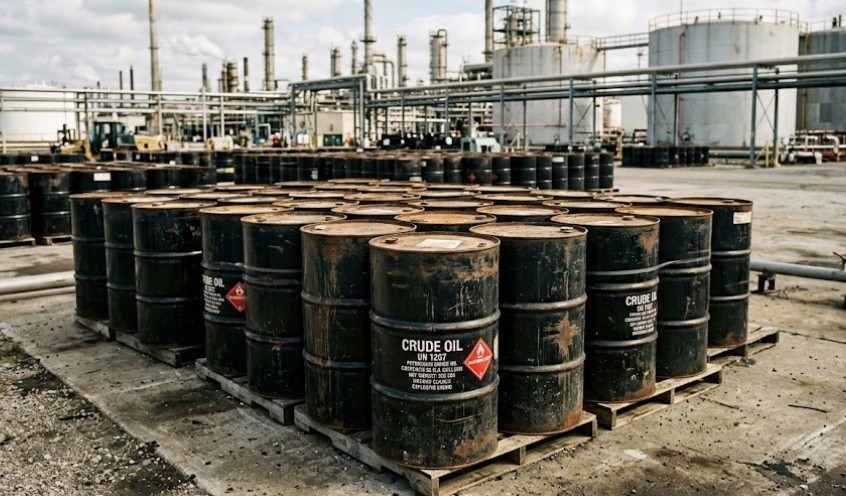
According to energy tracking firm Kpler and recent government updates, India currently has close to 100 million barrels of crude oil in reserve.
This stock is spread across three main places:
Strategic Underground Reserves
India has built massive underground storage facilities in:
- Visakhapatnam
- Mangalore
- Padur
These are emergency reserves, meant exactly for situations like this.
Oil Stored by Refineries
Companies like Indian Oil Corporation (IOCL) and Reliance Industries keep commercial stocks in their tanks.
Oil Already on Ships
Some cargoes have already crossed the Strait and are on their way to India.
So What Does This Mean?
At current consumption levels, India can manage for about 40 to 45 days using existing crude stocks.
If we also count petrol and diesel already stored across the country, the buffer could stretch to almost 74 days.
In short, there is no immediate crisis. But this comfort doesn’t last forever.
Why Hormuz Is a Big Deal
In past disruptions, like the Red Sea crisis, ships simply took longer routes around Africa. Supplies continued, just at a higher cost.
Hormuz is different.
It’s the only exit route for oil coming from key suppliers like Iraq, Saudi Arabia, and the UAE. If it shuts, there’s no simple detour. That’s what makes it risky.
The Bigger Worry: Cooking Gas and LNG
Here’s something many people are not talking about enough.
India imports:
- Around 60% of its LNG (natural gas) is transported through this route
- Nearly 80–85% of its LPG (cooking gas) via Hormuz
Unlike crude oil, we don’t have large emergency storage for gas.
So if the situation drags on for more than a couple of weeks, the real pressure could show up in household kitchens before it hits fuel stations.
What Is the Government Doing?
The Centre is not sitting quietly.
Here’s the plan:
Buying More From Russia
Since Russian oil doesn’t pass through Hormuz, India may increase imports from Russia further.
Looking West
Officials are also exploring additional supplies from the US, West Africa and Latin America. These shipments take longer and cost more, but they reduce risk.
Export Restrictions If Needed
India exports a lot of refined fuels like diesel and jet fuel. If supplies tighten, the government could ask companies to prioritise domestic needs over exports.
Managing Fuel Prices
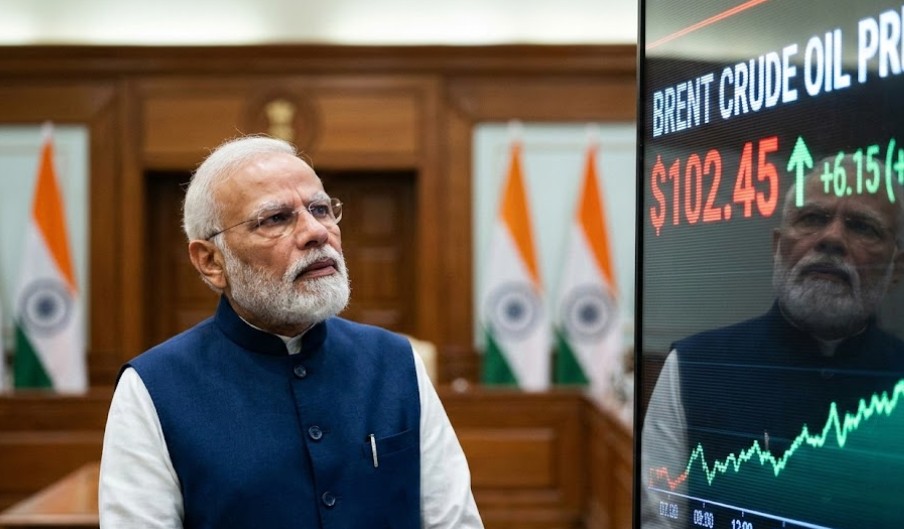
Global Brent crude has already risen about 10%, moving into the $80–$85 per barrel range. The government is likely to work with oil companies to avoid sudden spikes in petrol and diesel prices — at least initially.
So, Should We Be Worried?
Right now, this is more of a price risk than a supply shock.
If the disruption is short, we may see higher global prices and some inflation pressure.
If it continues for months, then supply concerns become serious.
India is not in panic mode. But it is watching the situation very closely.
The 45-day buffer gives us time. The real hope is that tensions cool down before that safety cushion starts shrinking.