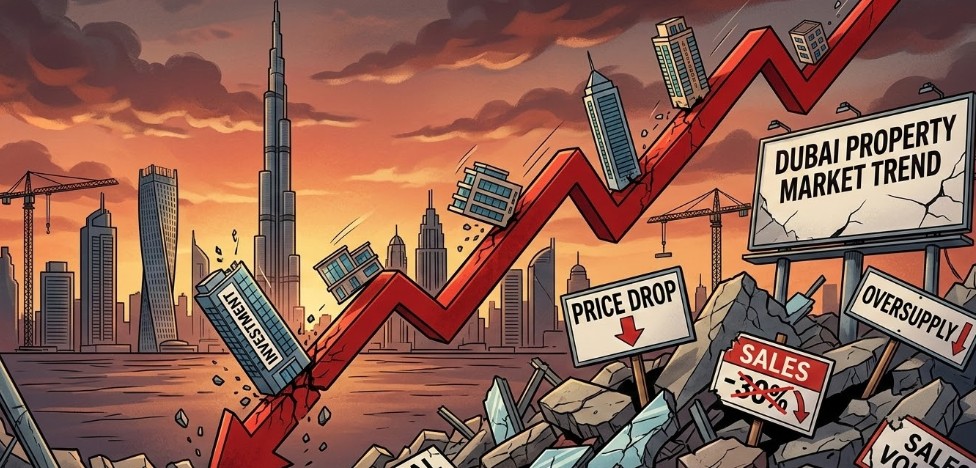
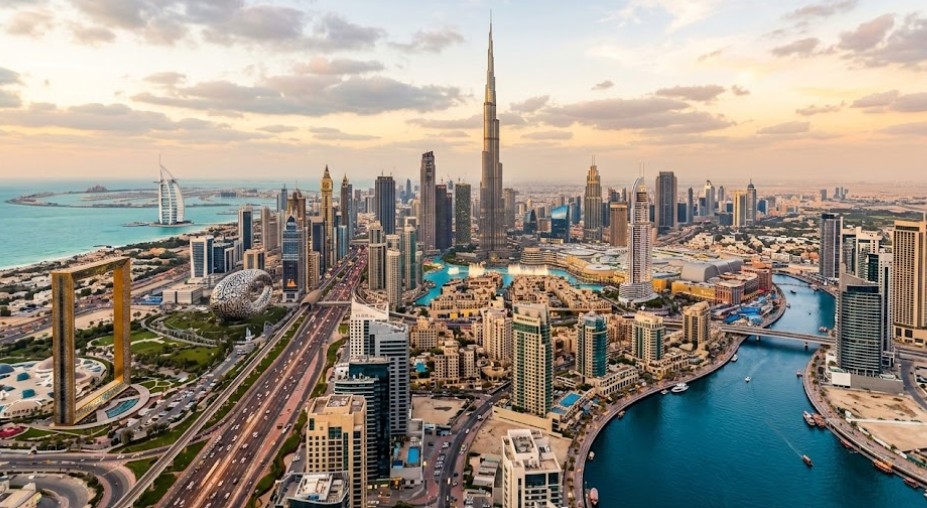
For the past few years, the Dubai real estate market has been booming. Luxury apartments were selling fast, record-breaking penthouses were making headlines, and cranes across the skyline showed just how quickly the city was growing.
But the recent escalation in the Iran–Israel conflict has brought a new mood into the market, caution.
There’s no panic selling or sudden crash. Instead, the market is seeing something unusual after years of rapid growth: investors are taking a step back and waiting to see how things unfold.
Buyers Are Hitting the ‘Pause’ Button
The first change brokers are noticing is not falling prices, but slower decision-making.
Property agents say enquiries are still coming in, but many buyers are not rushing to close deals like before.
Wait-and-watch mood:
A number of international investors, especially from Europe and Asia, are choosing to wait before committing money. They want to see whether the regional tensions calm down or get worse.
Deals are getting delayed:
In some cases, buyers have asked developers to delay contract signings by a few weeks until there is more clarity about the situation.
So the interest in Dubai property is still there, but the urgency has reduced.
Dubai’s ‘Safe Haven’ Image Faces Questions
For years, Dubai has promoted itself as a safe place for global investors, somewhere stable even when other markets face trouble.
And to be fair, the United Arab Emirates remains one of the most secure and politically stable countries in the region.
But the latest tensions have made some investors think twice. The conflict may not involve the UAE directly, but its location in the Middle East means investors are paying closer attention.
Still, many market watchers believe Dubai’s appeal remains strong. During the Russia–Ukraine War, for example, the city actually saw a surge in property demand as wealthy buyers moved money into safer markets.
Some analysts say a similar trend could happen again if instability spreads elsewhere in the region.
What It Means for Prices and New Projects
So far, there is no major drop in property prices.
However, the extremely fast growth seen over the past few years may start to slow down.
More homes coming soon:
Dubai is expected to add around 120,000 new housing units by 2026. If demand slows while supply increases, prices could level off or see a small correction.
Many experts believe this wouldn’t necessarily be bad. A short pause could make the market more balanced and sustainable in the long run.
Developers may slow launches:
Developers may also become more careful. Instead of announcing flashy new projects every month, some may wait for a calmer news cycle before launching big developments.
Indian Investors Are Watching Closely
Buyers from India remain among the biggest investors in Dubai’s property market.
But with tensions rising in the region, some investors are also looking at opportunities back home.
Luxury real estate is booming in cities like Mumbai, Gurgaon, and Bengaluru, and a few investors may choose to shift their focus there.
That said, Dubai still offers a big advantage: higher rental returns.
Rental yields in Dubai are usually around 6–9%, compared with 2–3% in most major Indian cities. For many investors, that difference is still a strong reason to stay in the market.
It’s Pause, not the End
Dubai’s real estate market isn’t slowing down dramatically; it’s simply taking a pause.
Buyers are being more careful, some deals are taking longer, and developers may hold back a few launches for now. But the city’s strong fundamentals, global demand, good rental returns, and investor-friendly policies are still in place.
If geopolitical tensions ease, many experts believe Dubai’s property market could quickly pick up speed again. For now, though, investors seem happy to watch the situation closely before making their next big move.