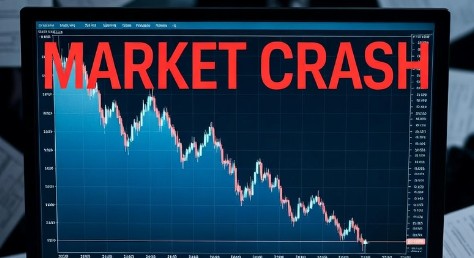
The Indian stock market experienced a volatile “Budget Day” crash during a rare special trading session. While the indices have since attempted a partial recovery, the initial reaction was a sharp sell-off triggered primarily by tax changes announced in the Union Budget 2026.
The Sensex plunged over 2,300 points from its intraday high, and the Nifty 50 slipped below the 25,000 mark at its lowest point.
Key Reasons for the Crash
Hike in Securities Transaction Tax (STT)
The biggest “shock” on Dalal Street was the proposal to significantly increase the tax on derivatives (Futures & Options), which are the most-traded instruments in India.
Futures: STT raised to 0.05% (from 0.02%).
Options: STT on premiums raised to 0.15% (from 0.1%). This increase in trading costs led to an immediate sell-off in brokerage stocks and exchange-related shares (like BSE and Angel One), as investors fear lower trading volumes.
Record Fall in Gold and Silver
Precious metals saw a historic meltdown, with both gold and silver hitting lower circuits (down 6%-9%) on the MCX. This was driven by aggressive profit-booking and a strengthening US Dollar following speculation over a hawkish new US Federal Reserve Chair (Kevin Warsh). This “meltdown” in commodities spilled over into equity sentiment, particularly affecting metal and finance stocks.
No News is Bad News” on Income Tax
While the Budget maintained fiscal prudence and increased infrastructure spending (Capex raised to ₹12.2 lakh crore), retail investors were disappointed by the lack of significant relief in personal income tax slabs or capital gains tax.
Record Low for the Rupee
The Indian Rupee hit a record low of ₹92 per USD recently, fueled by foreign portfolio investor (FPI) selling. This currency weakness added to the cautious “risk-off” mood heading into the Budget session. Driven by the selling by foreign portfolio investors (FPIs)

Sectoral Performance
Top Gainers: Healthcare (Max Health, Sun Pharma) and Defense stocks saw some buying interest due to specific Budget allocations for biopharma and a push for manufacturing exports.
Market Note: Budget Day trading is notoriously volatile. Historically, markets often “overreact” to immediate tax news before stabilizing once the long-term impact of infrastructure spending and fiscal deficits (targeted at 4.3% for FY27) is digested