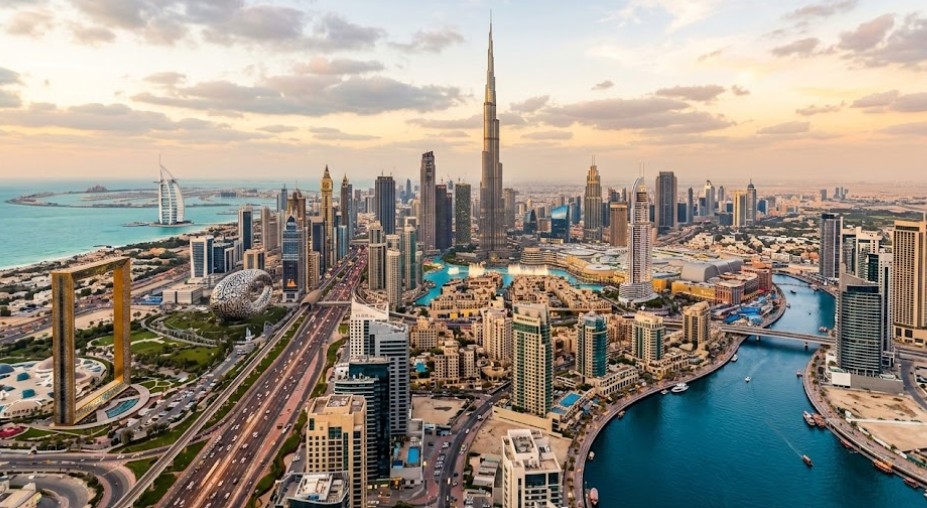
For years, Dubai has proudly worn the badge of the world’s ultimate “Plan B.” From global pandemics to economic shocks and European instability, the city’s glittering skyline has drawn billionaire money looking for safety and stability.
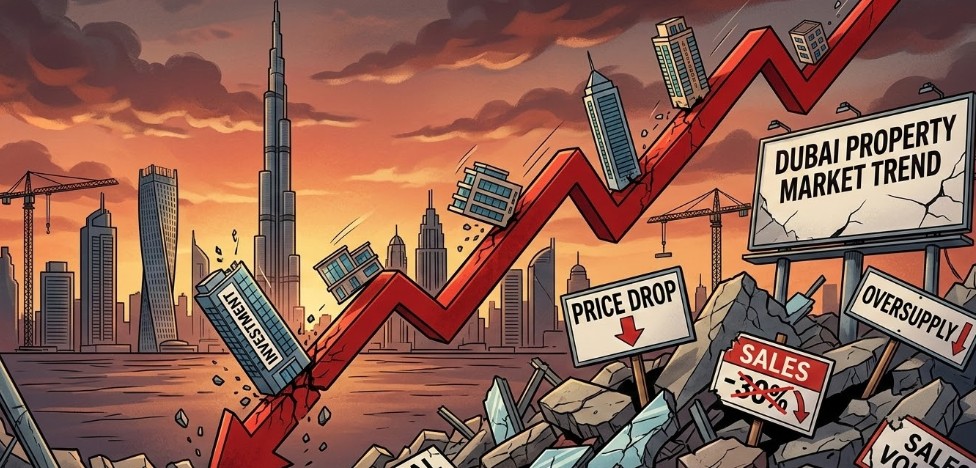
But in early 2026, as headlines around Iranian missile strikes and rising regional tensions dominate global news, a key question is surfacing: Is Dubai’s gold-plated safe-haven image facing its toughest test yet?
If you’re an investor with money on the line or someone dreaming of owning a home in the shadow of the Burj Khalifa, here’s a ground-level look at what’s really happening.
The ‘Wait-and-Watch’ Fever
So far, the reaction hasn’t been panic selling. Property brokers say inquiries are still coming in. But when it comes to signing on the dotted line, buyers are hesitating. Indian and European investors, who contributed heavily to the record $187 billion in property sales in 2025, are taking a breather. The mood is cautious: Is this just a short-term flare-up, or a longer geopolitical shift?
For the first time in months, the negotiating power is slowly tilting toward buyers. In the secondary market, some deals are seeing aggressive negotiations. Discounts in the 3% to 7% range are beginning to show up as certain sellers look for quicker exits.
This doesn’t signal a crash, but it does mark a clear change in sentiment.
The Perception Problem
Dubai’s biggest selling point has always been its image as an “Oasis of Peace.” Safety isn’t just a feature here; it’s part of the luxury promise.
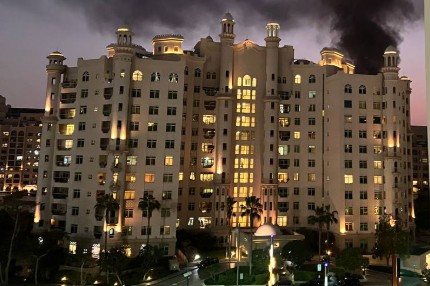
Recent reports of disruptions at Dubai International Airport and precautionary steps at landmarks like the Burj Khalifa have slightly dented that perception. While the UAE’s strong defense systems and swift governance have ensured that daily life continues smoothly, the psychological shift is real.
For a city that thrives on the idea of being untouchable, even a small crack in that narrative can make global investors pause.
At the same time, Dubai’s crisis management track record remains strong. The city has previously navigated global financial crises, pandemic shocks, and oil price swings, and emerged stronger each time. That resilience still forms a core part of investor confidence.
Supply Meets Slower Demand
The timing of these tensions is particularly tricky. Dubai was already preparing for a supply surge. Nearly 120,000 new housing units are expected to hit the market this year. Under normal conditions, the city comfortably absorbs around 60,000 units annually.
But with double the usual supply arriving just as buyers grow cautious, pricing pressure could build over the next two quarters. The “off-plan” (under-construction) segment may feel the heat first as speculative buyers turn more conservative.
Developers, however, are financially stronger than in previous cycles. Stricter regulations, escrow protections, and more disciplined project launches could prevent a sharp correction. Instead of a collapse, we may see a healthier recalibration.
Is It All Gloom and Doom? Not Quite.
If history is any guide, Dubai has what many call a “rebound DNA.” Ironically, when instability rises in neighboring regions, wealthy families often relocate to Dubai, drawn by its neutral political stance and long-term residency options like the Golden Visa program.
There’s also a currency advantage. The UAE dirham’s peg to the US dollar makes property here especially attractive for investors from countries facing volatile exchange rates. For them, Dubai real estate remains a relatively stable store of value, headlines notwithstanding.
And then there’s the returns factor. Rental yields in Dubai are still hovering between 7% and 9%. Compare that with 2% to 3% in global cities like Mumbai or London, and the income story remains compelling.