In a decisive move to safeguard financial stability, the UAE has temporarily halted trading on its stock exchanges. After a tense weekend marked by escalating regional conflict and retaliatory strikes by Iran, the country’s capital market regulator stepped in with a two-day trading suspension.
Both the Abu Dhabi Securities Exchange (ADX) and the Dubai Financial Market (DFM) will remain closed on Monday, March 2, and Tuesday, March 3, 2026.
Why the Sudden Shutdown?
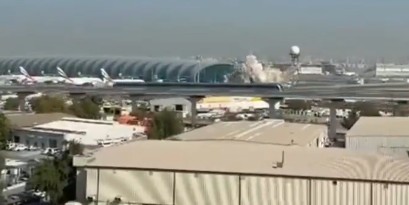
The decision was announced late Sunday by the UAE Capital Market Authority (CMA) following heightened military tensions involving Iran, the US, and Israel. Over the weekend, reports of drone and missile strikes across the region, including incidents that caused loud explosions in parts of the UAE, unsettled investors.
Rather than letting fear dictate market action, regulators chose to act swiftly.
The primary goal? Prevent panic selling.
When markets reopen after major geopolitical shocks, investors often rush to exit positions, triggering sharp and sometimes irrational price falls. By enforcing a short cooling-off period, authorities aim to avoid a “fire sale” scenario where stocks plunge purely on sentiment rather than fundamentals.
This move also gives investors time to absorb verified information and assess the real impact of the situation. With a market capitalization exceeding Dh 3 trillion, the UAE is one of the Middle East’s largest financial hubs, and stability is key to maintaining global investor confidence.
Regional Markets Feel the Heat
While UAE exchanges stayed shut, other regional markets that opened on Sunday saw immediate fallout.
Saudi Arabia’s benchmark index dropped more than 4% at the opening bell, while Egypt’s main index slid over 5%. Traders described the mood as a “white-knuckle ride,” reflecting deep uncertainty across global markets.
Much of the world’s attention is now on the Strait of Hormuz, a strategic oil chokepoint that handles nearly 20% of global crude flows. With tankers reportedly anchoring to avoid conflict zones, energy markets are on edge.
Analysts warn that if tensions persist, Brent crude prices could surge toward $100 per barrel. For the UAE, whose economy has strong energy linkages oil price movement will be a critical factor when markets resume trading.
What Should Investors Do Now?
Complete market shutdowns are rare and typically reserved for extreme events such as pandemics or major financial crises. They are designed to protect investors from making impulsive decisions during periods of extreme volatility.
The CMA has urged investors to rely only on official updates from ADX and DFM and to avoid unverified social media rumors, which often amplify fear during uncertain times.
Here are a few practical points investors may want to keep in mind:
Avoid knee-jerk reactions: Geopolitical shocks often cause short-term volatility but may not always alter long-term fundamentals.
Watch crude oil trends: Energy prices will likely shape market direction when trading resumes.
Focus on fundamentals: Companies with strong balance sheets and stable earnings tend to weather volatility better.
Stay diversified: Exposure across sectors and geographies can cushion sharp regional swings.
Historically, markets tend to stabilize once clarity emerges. The key risk now lies in whether tensions escalate further or move toward de-escalation in the coming days.
When Will Trading Resume?
For now, trading is scheduled to resume on Wednesday, March 4, 2026. However, that timeline depends entirely on how the security situation unfolds over the next 48 hours.
The CMA has confirmed it will continue to monitor developments closely and take additional measures if necessary.
Investors will be watching not just regional headlines, but also oil prices, global equity trends, and official policy responses, all of which could determine how UAE markets open once the pause button is lifted.