Global energy politics is heating up again, and Vladimir Putin has just made a move that could change the game.
In a recent statement in March 2026, the Russian President hinted that Russia might stop supplying energy to Europe even before the continent officially cuts ties. The message has raised eyebrows in major European capitals like Brussels and Berlin.
With global energy markets already tense because of fresh conflicts in the Middle East, the possibility of Russia pulling back its supplies has added another layer of uncertainty.
Here’s a simple breakdown of what’s happening and why it matters.
A Possible Early Exit from Europe
For the last few years, the European Union has been working on a plan to completely end its dependence on Russian gas by 2027. The idea is to reduce geopolitical risk and rely more on alternative suppliers.
But Russia may not wait that long.
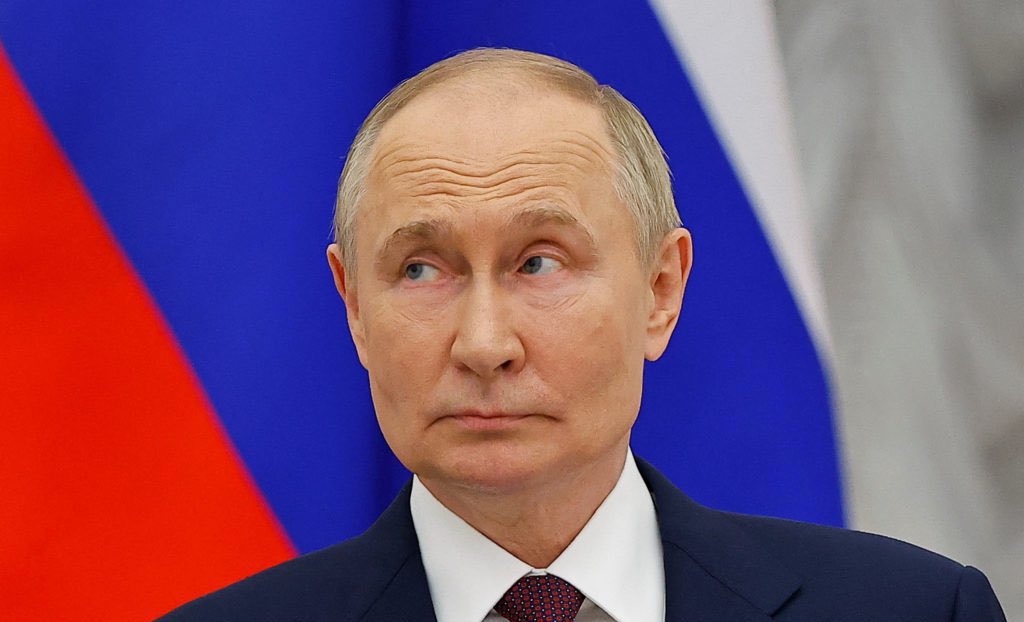
On March 4, 2026, Putin asked his government to look into the option of stopping energy exports to Europe earlier than expected.
What Russia is Saying:
The Kremlin argues that if Europe plans to stop buying Russian LNG in the near future anyway, it might make sense for Russia to redirect those shipments to other regions, especially Asian markets where demand for energy is rising.
What Experts Think:
Many analysts believe the move could also be a pressure tactic. By hinting at an early supply cut, Russia could increase pressure on Europe, especially at a time when energy markets are already tight.
Middle East Tensions Add to the Pressure
Russia’s signal comes at a time when the global energy market is already facing challenges.
Oil Prices Are Rising:
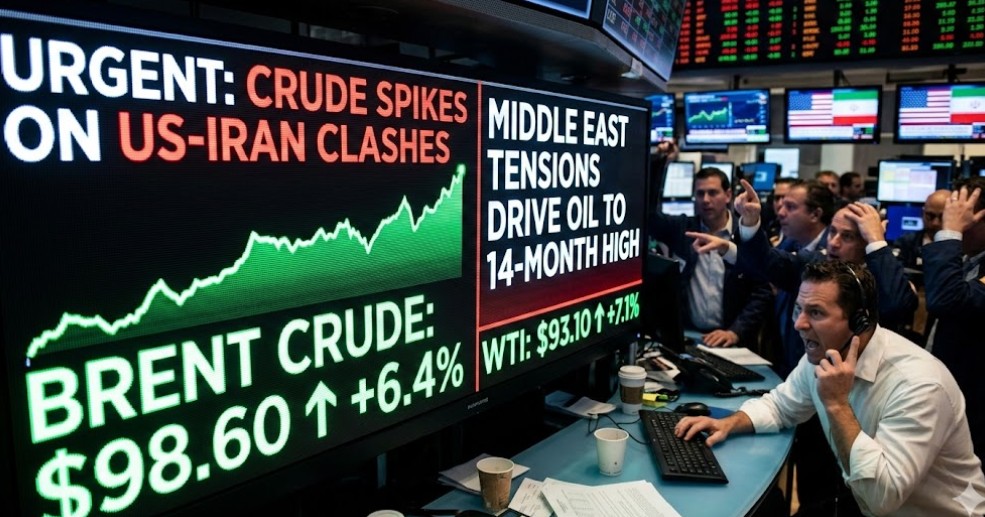
Recent military tensions in the Middle East have pushed the price of Brent crude above $100 per barrel this week, a level not seen for quite some time.
Key Shipping Route at Risk:
The Strait of Hormuz, one of the world’s most important energy routes, has also seen disruptions. Nearly one-fifth of global LNG shipments pass through this narrow waterway, so any instability there can quickly affect global supply.
If Russia also reduces exports to Europe at the same time, it could tighten the global energy market even further.
Europe Still Buying Russian LNG
Despite strong political statements from European leaders about reducing dependence on Russian energy, the reality is more complicated.
In February 2026, European buyers reportedly purchased all available cargoes from Russia’s Yamal LNG project.
That shows how difficult it is for Europe to completely replace Russian supplies overnight.
After a tough winter, many European countries are also dealing with lower energy reserves, which means any sudden supply disruption could create new challenges.
Russia Leaves the Door Slightly Open
Interestingly, Putin’s message was not entirely confrontational.
A few days later, on March 9, he said Russia is still willing to continue energy cooperation with Europe—but only under certain conditions.
According to him, Russia wants:
- Long-term supply agreements
- Stable business partnerships
- Less political pressure and fewer sanctions
In simple terms, Russia is saying that if Europe offers predictable and long-term deals, the energy relationship could continue.
Europe is still partly dependent on imported LNG
For now, Russia has not officially stopped energy exports to Europe. But even the possibility has created concern in energy markets and among policymakers.
With rising Middle East tensions, higher oil prices, and Europe still partly dependent on imported LNG, the situation remains uncertain.
If Russia decides to move ahead with an early export halt, the impact could be felt not just in Europe, but across global energy markets as well.