Global energy markets are on edge after a major drone strike targeted the Saudi Aramco Ras Tanura refinery, one of the largest and most strategically important oil hubs in the world. The facility, operated by state-run giant Saudi Aramco, was forced into a temporary shutdown on Monday, March 2, triggering fresh fears of a global supply squeeze.
The attack comes amid rapidly escalating tensions in West Asia, and the impact was immediate. Brent crude prices surged nearly 10% in a single trading session, reflecting deep concerns over potential supply disruptions.
Early Monday morning, Iranian-made drones reportedly struck the Ras Tanura complex on Saudi Arabia’s eastern coast. The refinery is considered a crown jewel in Aramco’s vast energy network, with the capacity to process around 550,000 barrels per day (bpd).
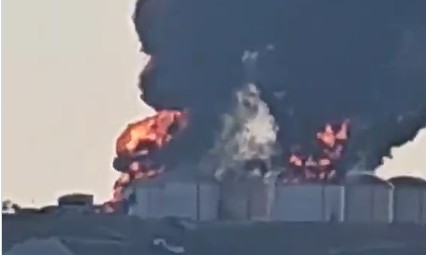
Videos circulating on social media showed thick black smoke billowing from the facility. Saudi authorities confirmed that a fire had broken out but clarified that it was “isolated and brought under control” quickly.
As a precaution, Aramco suspended operations and evacuated workers to ensure their safety. Even a short halt at a facility of this scale effectively freezes a significant portion of global oil processing capacity and that’s enough to rattle markets worldwide.
Why This Matters Far Beyond Saudi Arabia
If you’re wondering why an attack thousands of miles away could hit your fuel bill, the answer lies in Ras Tanura’s strategic importance.
It’s not just a refinery; it is also a critical export terminal that connects Saudi crude to global buyers across Asia, Europe, and the US. Any disruption here has ripple effects across supply chains.
Adding to the pressure is the vulnerability of the Strait of Hormuz, a narrow but crucial shipping corridor that handles nearly 20% of the world’s daily oil flow. Shipping disruptions in the region were already making tanker operators cautious. A hit on Saudi infrastructure now compounds the risk.
“This strike targets the heart of global energy security,” said a market analyst. “When transit routes like the Strait of Hormuz are under stress and refining hubs are attacked, oil prices react sharply.”
If the disruption extends beyond a few days, consumers worldwide could feel the pinch through higher petrol and diesel prices. Emerging economies that rely heavily on oil imports may be particularly vulnerable.
Stock Markets Take a Hit
The shockwaves were not limited to oil markets.
In India, the BSE Sensex plunged over 1,000 points as investors worried about rising crude prices pushing up inflation and widening the fiscal deficit. Higher oil prices increase input costs for industries, pressure government finances through fuel subsidies, and can weaken currencies in oil-importing nations.
Oil-dependent economies are now bracing for what some analysts are calling a potential “1970s-style” oil shock if tensions escalate further and supply disruptions continue.
Rising Regional Tensions Add to Uncertainty
The strike on Ras Tanura appears to be part of a broader wave of retaliatory attacks across the Gulf region. Reports suggest that commercial hubs, including ports in Bahrain and the UAE, have faced threats in recent days.
Saudi air defenses reportedly intercepted several missiles aimed at Riyadh. However, the successful strike on Ras Tanura highlights a worrying reality: even heavily fortified and strategically vital energy facilities remain vulnerable.
What Happens Next?
Much now depends on how quickly operations at Ras Tanura resume and whether further attacks are prevented. Saudi Arabia has historically moved swiftly to restore output after disruptions, often tapping into spare capacity to stabilize markets.
But if geopolitical tensions intensify or shipping through the Strait of Hormuz faces prolonged disruptions, oil markets could remain volatile for weeks.
For now, traders, governments, and consumers alike are watching closely, because in the world of energy, even a single strike can send shockwaves across continents.